Colombia’s president just extradited a major drug lord to America hours before sitting down with Trump, signaling a dramatic shift in one of the hemisphere’s most volatile relationships.
Quick Take
- Andres Felipe Marin Silva, leader of the La Inmaculada criminal organization, was extradited to the U.S. on February 3, 2026, in a high-security operation involving over 70 officers and a police helicopter
- The extradition occurred just hours before President Gustavo Petro’s White House meeting with Donald Trump, marking a potential goodwill gesture after months of escalating tensions
- Petro’s decision breaks from his “Total Peace” policy, which had previously halted extraditions by granting criminal groups peace manager status
- The timing reflects a dramatic détente between two populist leaders whose relationship deteriorated sharply after Trump’s January 2025 inauguration over drug trafficking and immigration disputes
A Calculated Move in High-Stakes Diplomacy
The extradition of Marin Silva represents more than a routine drug enforcement action. Colombian authorities executed the operation with military precision early on February 3, transferring the La Inmaculada leader from a Bogotá police station to anti-narcotics headquarters near El Dorado Airport before his flight to federal court in Texas. The deployment of over 70 officers, surveillance drones, and the Halcón police helicopter underscores the operation’s significance. This wasn’t routine procedure; it was a statement timed to maximum diplomatic effect, arriving hours before Petro walked into the White House to meet with Trump.
From Confrontation to Détente
Just weeks earlier, the relationship between these two leaders bordered on hostile. Trump had publicly mocked Petro, imposed sanctions on him and his wife, revoked his visa, and threatened military intervention. The United States suspended Colombian visas, levied tariffs, and designated Colombia as non-cooperative on drug enforcement for the first time in three decades. Trump even labeled Petro a “drug leader” without substantiating evidence. Yet last month, after a U.S. raid captured Venezuelan President Nicolás Maduro on drug charges, something shifted. A nearly hour-long phone call between the two leaders opened a backdoor to negotiations, culminating in Trump’s invitation to the White House and Petro’s acceptance.
Breaking With Peace Policy
Petro’s decision to extradite Marin Silva marks a significant departure from his signature “Total Peace” initiative. When peace talks with La Inmaculada began under this policy, the organization sought peace manager status, which would have shielded its leadership from extradition. Those negotiations froze and ultimately failed, removing the legal obstacle. The Colombian Supreme Court issued a favorable opinion on three drug trafficking charges against Marin Silva, and Petro signed the final extradition decree. Unlike previous cases where peace manager designations blocked extraditions, this one proceeded swiftly, suggesting Petro’s willingness to prioritize drug enforcement cooperation over his stated peace agenda.
Colombia’s Cocaine Crisis and U.S. Pressure
The extradition cannot be divorced from Colombia’s status as the world’s largest cocaine producer. The country produced a record 3,000 tons in 2024 according to the U.N. Office on Drugs and Crime, and cocaine production has doubled since Petro’s 2022 inauguration. Trump seized on these figures to pressure Petro, framing the drug crisis as a personal failure. For Petro, the extradition offers a chance to demonstrate commitment to counternarcotics efforts while negotiating relief from Trump’s sanctions, tariffs, and threats. The stakes extend beyond bilateral relations; Colombian exporters face tariff impacts, immigrants confront visa suspensions, and rural communities affected by drug violence experience intensified pressure.
What Comes Next
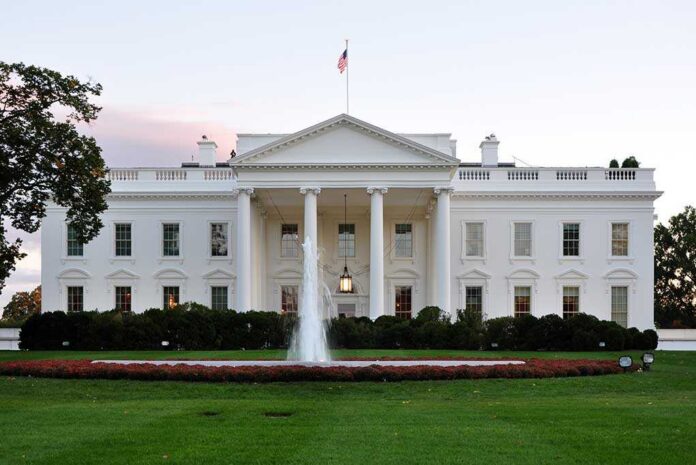
The White House meeting will test whether this détente holds substance or dissolves into confrontation. Analysts predict the discussion will address drugs, immigration enforcement, trade relations, extraditions, and the scope of U.S. security presence in Colombia. Some observers view the phone call and extradition as stabilizing signals; others warn of potential fireworks reminiscent of Trump’s clash with Zelenskyy. Petro’s term ends in August 2026, compressing the timeline for any lasting agreements. The extradition of Marin Silva suggests Petro recognizes the political calculus: cooperation on drugs and deportations may cost him domestically but could preserve Colombia’s economy and international standing against Trump’s threats.
Sources:
An Uneasy Detente: Trump and Colombia’s Petro to Meet at White House
With Good News, We’ll See: Trump-Petro White House Clash Looms Over Cartel and Cocaine Crackdown
Trump Invites Colombian President to White House After Threatening His Country With Military Strike
Colombia’s La Inmaculada Drug Lord Extradited to the US Hours Before Petro-Trump Meeting