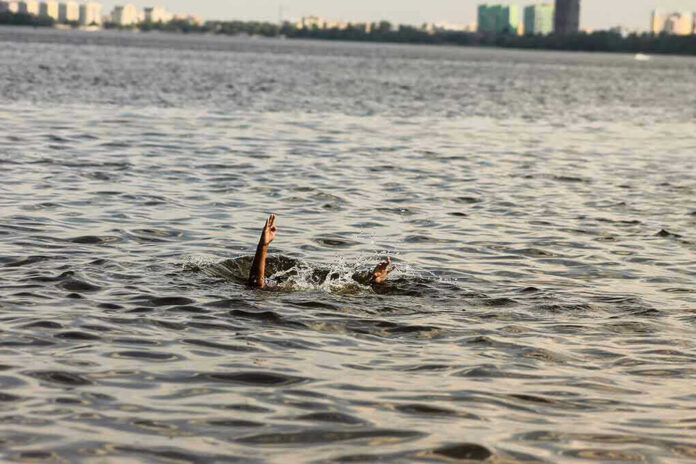
Shockingly lax safety protocols at a brand-new $600 million resort led to two elderly American passengers drowning within hours—raising serious questions about cruise industry accountability and guest security.
Story Snapshot
- Two elderly Americans drowned in separate incidents at Carnival’s new Celebration Key resort in the Bahamas on August 15, 2025.
- Both victims, in their 70s, were traveling with family; one incident occurred in the lagoon and the other on the beach.
- The tragedies happened within three hours at a high-profile, controlled-access private resort.
- Industry experts and families are demanding answers about emergency response and safety protocols
Rare Dual Drownings at a Newly Opened Cruise Resort
On August 15, 2025, a deeply unsettling event unfolded at Carnival Cruise Line’s Celebration Key, a $600 million private resort in the Bahamas that had only recently opened to guests. Within a three-hour period, two American passengers in their 70s drowned in separate, unrelated incidents—one while snorkeling in the lagoon, the other at the beach. Both were traveling with family, turning a dream vacation into tragedy and igniting debate about oversight, safety standards, and corporate responsibility at these exclusive destinations.
Celebration Key, launched just weeks earlier, was promoted as Carnival’s latest effort to provide a secure, controlled-access paradise for its cruise guests. The resort features beaches, lagoons, and water activities designed for relaxation and entertainment. Yet, despite a high concentration of lifeguards and medical staff, both victims were pronounced dead at the scene—a sobering reminder that even in tightly managed environments, critical failures can occur. These back-to-back fatalities are especially rare, drawing national attention and fueling concerns among conservative Americans about the adequacy of safety measures and the real risks of “luxury” travel for older citizens.
Emergency Response Under Scrutiny
Both the Royal Bahamas Police Force and Carnival Cruise Line confirmed that the deaths resulted from drowning, with no indication of foul play. Carnival issued a statement expressing condolences and support for the victims’ families, but the rapid succession of incidents at a supposedly secure, state-of-the-art resort has prompted questions about the effectiveness of emergency protocols. Lifeguards responded promptly, and medical teams attempted resuscitation, but the outcomes expose potential vulnerabilities in how cruise lines prepare for and manage emergencies involving high-risk populations, especially elderly guests.
This dual tragedy is unprecedented in recent cruise industry history, particularly at a brand-new, purpose-built resort. While drownings have occurred in the past at cruise line destinations, two unrelated fatalities in one day at the same location is extraordinary. The event challenges claims that private resorts offer safer, more controlled experiences and pressures companies to re-examine their training, staffing, and guest education practices for water safety.
Broader Implications for Cruise Safety and Accountability
The immediate impact has been devastating for the families and other guests on site, yet the consequences may extend much further. The cruise industry now faces renewed scrutiny over its protocols for elderly passengers—an increasingly large segment of its clientele. There are calls for tighter safety regulations, improved lifeguard training, and better medical readiness at private resorts. The incidents at Celebration Key could prompt industry-wide reviews and possibly lead to new standards for guest safety, especially for those most at risk. The Bahamian authorities are actively investigating, and Carnival’s Care Team continues to support the families involved.
The reputational damage to Carnival Cruise Line could be significant, affecting future bookings and public trust. With the cruise sector’s heavy marketing of private islands as safe havens, these events undermine the narrative of controlled safety and highlight the importance of genuine vigilance over cosmetic security. For conservative Americans, the story resonates as a warning against complacency, unchecked corporate assurances, and the dangers of assuming bureaucratic control always means real protection. The need for transparency, accountability, and rigorous safety oversight remains stronger than ever.
Expert and Industry Perspectives on Prevention
Multiple cruise safety experts have labeled the clustering of two drownings on the same day as “extraordinary,” suggesting the need for industry-wide safety audits and reforms. Some point to the demographic shift toward older cruise passengers and the necessity for specialized lifeguard training and medical preparedness tailored to seniors’ unique risks. Academic commentary underscores the challenge of balancing guest autonomy with adequate oversight, while risk management professionals stress that the sense of security at private islands must be matched by rigorous standards, not just promises.
These tragedies have also reignited debate over the accountability of cruise lines operating in international waters and foreign jurisdictions, where regulatory gaps often exist. With Bahamian authorities leading the investigation, families and advocacy groups are watching closely to ensure that lessons are learned and that real changes follow—not just statements of sympathy. As Americans look for leadership that prioritizes individual safety, transparency, and common-sense protections, this high-profile case serves as a stark reminder of what is at stake when those principles are neglected.
Sources:
2 Americans drown in 3-hour span at same Bahamas resort
Two Cruise Ship Passengers Drown In Separate Incidents On The Same Day
Two Carnival cruise passengers drown at Celebration Key