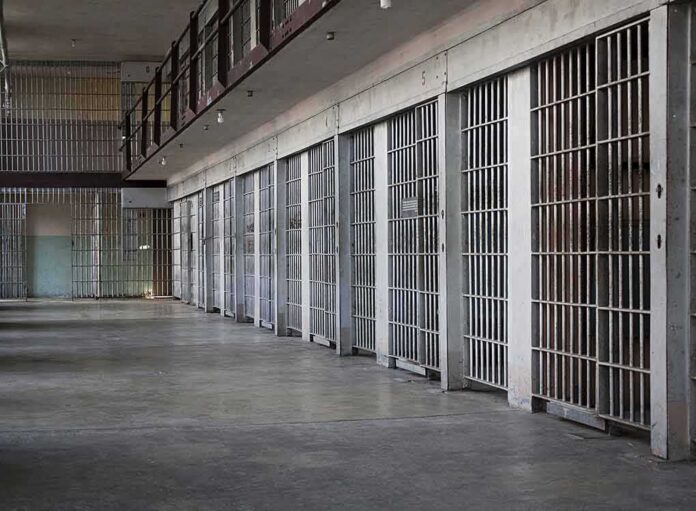
New York’s National Guard logged nearly a million hours inside state prisons to keep gates locked and violence down while the officer ranks thinned and strikes froze posts.
Story Snapshot
- Governor Kathy Hochul ordered Guard mobilization to stabilize prisons during a 2025 strike.
- As many as 6,000 Guard members filled security roles across dozens of facilities.
- Roughly 3,000 Guard personnel still covered posts into early 2026.
- The correction agency reports thousands of unfilled officer jobs remain.
New York turned to the Guard when prisons hit a staffing cliff
Governor Kathy Hochul told the public on February 18, 2025 that she had ordered the New York National Guard to be mobilized if the illegal work stoppage did not end. The order aimed to protect officers who stayed on duty and keep incarcerated people secure during the walkouts. The move echoed a precedent New York set during the 1979 prison strike, when the Guard also stepped in to stabilize operations.
CHAPTER 6: TOTAL LUNACY — THE DSA ENDGAME: WHAT THEY'LL BREAK TO PAY FOR IT (2/2)
THE LIVE TEST CASE: WHAT NEW YORK CITY HAS ACTUALLY DONE
Mayor Zohran Mamdani has held office since January 1, 2026. New York City's final FY2027 budget, adopted June 30, 2026 at roughly $125.8 to…— Tom Cross (@TheAviatorNY) August 21, 2026
The deployments surged fast. State updates said more than 6,000 Guard members were placed inside correctional facilities to support basic security and daily movement. The Guard backfilled posts, relieved extreme overtime, and worked alongside civilian staff. This was not a weekend patch. The mission stretched month after month as prisons faced a deep vacancy problem and returning officers needed time to reset schedules and training.
The mission kept going because the vacancies never closed
By the end of 2025, official tallies still showed thousands of Guard personnel on duty across the system. Reports described a force that rotated in and out to cover essential posts, from gatehouses to watch tours. The continuing presence signaled that core staffing had not recovered. That reality matched what independent reporting found: the department remained short several thousand officers even after the strike ended.
As 2026 began, estimates still placed about 3,000 Guard members inside more than 30 state-run sites. The cost to taxpayers mounted past the billion-dollar mark when combining overtime, Guard pay, housing, and logistics. State leaders defended the expense as the price of keeping order. Critics argued the reliance proved the staffing model no longer matched the actual demands of modern prisons.
Why the Guard was used and what it teaches about the system
New York’s choice tracks with moves by other states when corrections hit crisis levels. Florida, West Virginia, and New Hampshire also called in Guard units to keep facilities stable when vacancies and overtime grew unmanageable. The pattern is clear: the Guard can hold the line, but it cannot replace a trained, permanent corrections workforce. That gap is a policy problem, not a military one, and it requires steady hiring, fair pay, and retention plans that work in tough rural posts.
American conservative values point to a simple test: keep communities safe, spend wisely, and hold leaders to results. On safety, deploying the Guard met the duty to prevent chaos. On spending, the billion-dollar tab invites scrutiny and hard budgeting. On results, the lingering vacancies show the job is far from done. Voters should expect a transparent plan with targets, timelines, and measurable gains in staffing and training—not just another extension of an emergency bridge.
What happens next inside the wire
The Department of Corrections and Community Supervision says it is recruiting hard and retraining where needed. Success looks like fewer forced overtime shifts, reopened programs, and a steady handoff from Guard posts back to career officers. The million Guard hours bought time. Now the state must convert that time into permanent stability, or face the same cliff again the next time sick calls spike, retirements surge, or labor talks stall.
Sources:
fingerlakes1.com, spectrumlocalnews.com, nationalguard.mil, police1.com, governor.ny.gov, wxxinews.org
© targetdailynews.com 2026. All rights reserved.