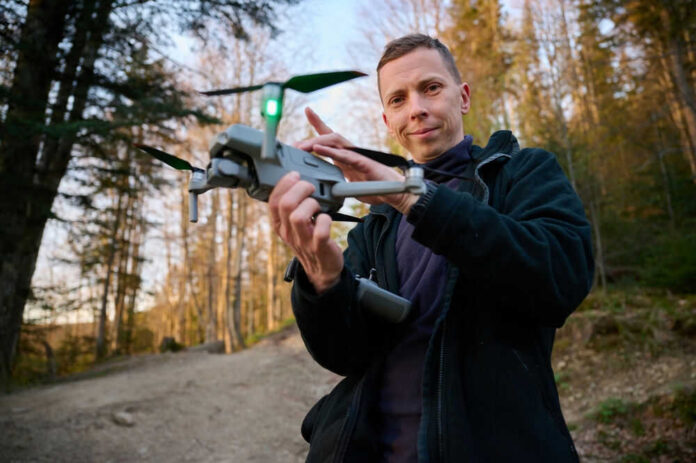
Florida’s new drone initiatives for schools aim to neutralize threats in seconds, raising both hope and concern among communities.
Story Highlights
- Florida districts are testing armed drones designed to quickly stop school shooters.
- The initiative is part of a broader effort to enhance school safety using technology.
- While promising, the program raises concerns about costs and ethical implications.
- There is a debate about the balance between safety and potential overreach in schools.
Florida’s Drone Initiative for School Safety
Several school districts in Florida are piloting a program that deploys armed drones intended to neutralize active shooters within seconds. This initiative is part of a larger strategy to bolster school safety through advanced technology. The drones are designed to respond quickly, potentially saving lives by minimizing response times during critical incidents.
While the program promises a proactive approach to school safety, it comes with significant costs and ethical questions. Each drone fleet requires a substantial investment, with ongoing monthly fees for maintenance and operation. The initiative also sparks a debate about the implications of deploying armed technology in educational environments, considering both potential benefits and risks.
Financial and Ethical Considerations
Implementing armed drones in schools involves a considerable financial commitment. The upfront cost of acquiring the drones, coupled with monthly operational expenses, represents a significant allocation of resources for school districts. These expenses raise questions about the sustainability of such programs and whether the financial burden is justified by the potential benefits.
Beyond costs, there are ethical considerations about introducing armed drones into schools. Critics argue that the presence of such technology could alter the educational environment, potentially instilling fear rather than security. Proponents, however, believe that the potential to protect students justifies the initiative, emphasizing the need for effective safety measures in the face of increasing threats.
Impact on School Dynamics and Future Prospects
The introduction of armed drones in schools could significantly impact the dynamics within educational settings. While the primary goal is to enhance safety, the presence of drones might change how students and staff perceive their environment. Schools could become places associated with surveillance and control rather than solely learning and growth.
Looking forward, the success of this initiative in Florida may set a precedent for other states considering similar measures. The balance between technological advancements and maintaining a supportive educational atmosphere will be crucial. Policymakers must weigh the benefits of enhanced security against the potential for increased governmental overreach and privacy concerns.
Armed drones designed to neutralize school shooters in seconds are being tested in several Florida districts https://t.co/8AcLo205Qr pic.twitter.com/6cmRuY03XN
— New York Post (@nypost) August 25, 2025
Ultimately, the implementation of armed drones in schools is a complex issue that requires careful consideration of safety, financial, and ethical factors. As more districts evaluate the potential of such programs, the broader implications for educational environments and societal norms will continue to evolve.