One judge’s decision to let a man with a decades-long rap sheet stay on the street became the kind of public-transit nightmare that forces Illinois to answer a blunt question: what, exactly, is “pretrial fairness” supposed to protect?
Quick Take
- A Chicago “L” attack on Bethany MaGee became a defining test case for the SAFE-T Act’s pretrial release rules.
- Prosecutors had asked a judge to detain the accused months earlier after an alleged hospital assault, and the judge denied it.
- Illinois replaced cash bail with a system built around detention hearings, risk factors, and “least restrictive” conditions like electronic monitoring.
- Statewide jail numbers fell, but total pretrial supervision grew, raising hard questions about safety, enforcement, and accountability.
The “L” Train Fire That Turned a Policy Debate Into a Gut Check
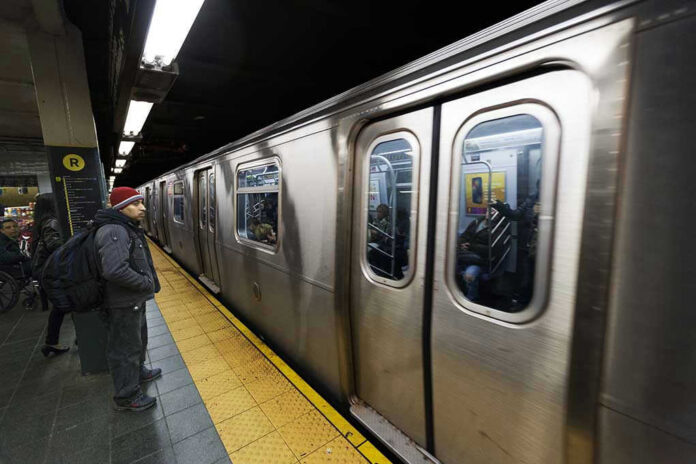
Chicago commuters understand risk the way sailors do: you accept the water, you don’t accept the storm. That’s why the November 2025 attack on a CTA “L” train hit like a civic alarm. Authorities charged Lawrence Reed with terrorism and arson after he allegedly set 26-year-old Bethany MaGee on fire. Reed sat on electronic monitoring under Illinois’ SAFE-T Act structure, and that detail became the gasoline on an already raging political argument.
The controversy wasn’t only about the horror of the act. It was about the timeline that came before it. Prosecutors had sought Reed’s detention in August 2025 after he allegedly assaulted a nurse at a Berwyn hospital; a Cook County judge denied the request. Critics seized on that denial as proof the system tilts too far toward release. Supporters countered that the law still allows detention for dangerousness, and that enforcement and mental-health gaps muddy the picture.
What the SAFE-T Act Changed: Cash Bail Out, Judicial Risk Calls In
Illinois lawmakers passed the SAFE-T Act in January 2021, and its most contested piece—the Pretrial Fairness Act—took effect statewide on January 1, 2023. Cash bail ended, so judges no longer set a dollar amount that can jail the poor and free the wealthy. Instead, prosecutors file petitions to detain, defense attorneys contest, and judges decide whether a person should wait in jail or live in the community under conditions designed to ensure court appearance and safety.
The law’s practical engine is the “least restrictive” concept. For many defendants who aren’t detained, that means supervision tools such as electronic monitoring, check-ins, and geographic limits rather than a jail bed. Illinois’ electronic monitoring rules also include what many voters find startling on first hearing: people on ankle monitors can receive two days of free movement per week, generally framed as about two eight-hour windows. That provision, built for work, appointments, and basic life, becomes politically combustible after a high-profile crime.
Lawrence Reed’s Record and the Detention Question Voters Actually Ask
Reed’s history made the MaGee case especially radioactive. Reports described 72 arrests over 30 years and 15 convictions, including a 2020 arson conviction for lighting a fire outside Chicago’s Thompson Center. For most people, that profile triggers a common-sense expectation: someone like that should not be a “paperwork problem.” From a conservative perspective, the state’s first duty is public order; reform should never mean normalizing preventable risk in shared spaces like trains.
The harder, less satisfying truth is that the SAFE-T framework still relies on human judgment at a detention hearing. Judges weigh allegations, prior record, statutory factors, and arguments about danger and flight risk. That’s why the August 2025 denial sits at the center of the debate. If the facts supported detention and the judge said no, critics argue the law narrowed detention too much or discouraged judges from using it. If the facts did not legally justify detention, critics should demand clarity in standards, not just outrage.
The Data Trap: Fewer People in Jail, More People Under Supervision
Politics loves a single headline, but policy lives in trendlines. A Loyola University Center for Criminal Justice report described statewide monthly pretrial jail populations falling 7% after the Pretrial Fairness Act took effect, while pretrial supervision grew 33%. Cook County, the state’s biggest system and most relevant to this case, reportedly saw its jail population rise about 2% despite an initial drop. The statewide total of people awaiting trial—jail plus electronic monitoring—grew 17%.
Those numbers can support competing narratives, and both sides should admit it. Reformers can argue fewer people behind bars means fewer families shattered over minor cases and fewer taxpayer-funded beds consumed by low-risk defendants. Critics can argue that swelling supervision rosters can dilute oversight, turning “monitoring” into a false promise if staffing, technology, or rules fail. Common sense says a system that expands supervision must also expand accountability, or it quietly becomes a bigger net with weaker knots.
Why Democrats Are Suddenly Open to “Narrow” Fixes—and What Republicans Want
By January 2026, top Illinois Democrats signaled openness to targeted changes, pointing to a forthcoming Cook County judicial report as the guide for potential amendments. Gov. JB Pritzker and House Speaker Emanuel “Chris” Welch emphasized narrow adjustments rather than a reversal. Sen. Elgie Sims, a key SAFE-T advocate, said the law is working and cited data that communities are safer, arguing the Reed case highlights mental-health investment needs more than statutory flaws.
Republicans, lacking the votes to repeal the law, have laid out a menu of changes with sharper teeth: expand detention eligibility beyond violent felonies to all felonies, allow revocation of release if any new crime occurs while released, remove free-movement windows for home confinement, and create a presumption of detention for crimes against minors. Conservatives will recognize the political logic: if the system can’t reliably sort the truly dangerous from the merely accused, widen the gate and lock it more often.
The Real Reform Test: Protect the Innocent Without Turning Cities Into Open-Air Risk
The MaGee attack created a moral clarity moment because it happened in a place meant for ordinary life—public transit—where strangers share space with no ability to screen each other. The SAFE-T Act began with a legitimate critique of cash bail: it punished poverty and rewarded money. That critique remains true. The question Illinois now faces is whether it built a replacement that protects the public with equal seriousness, especially for repeat offenders with violent or incendiary histories.
Illinois' SAFE-T Act Claims Another Victim, Sets Alleged Suspect Loose Again
https://t.co/1pHLmEz766— Townhall Updates (@TownhallUpdates) February 4, 2026
The smartest path forward shouldn’t be a slogan war between “reform” and “lock them up.” Illinois needs clean, enforceable standards for detention decisions, honest auditing of electronic monitoring performance, and consequences when conditions fail—while preserving the principle that pretrial justice should not depend on a wallet. If the system can’t reassure a 40-year commuter that the train isn’t a roulette wheel, lawmakers will change it anyway—carefully or chaotically.
Sources:
Top Democrats would consider changes Illinois SAFE-T Act
State Week: Lawmakers discuss potential changes to the SAFE-T Act
Understanding the SAFE-T Act and what it means for you
Cash bail changes in 2023 (SAFE-T Act)