A new executive order threatens to reshape the political landscape by labeling Antifa as a domestic terrorist group.
Story Overview
- Trump signs an executive order targeting Antifa as a “domestic terrorist organization.”
- The order follows the assassination of conservative activist Charlie Kirk.
- Federal agencies are directed to investigate Antifa-linked activities.
- The decision sparks debate over free speech and civil liberties.
Trump’s Executive Order Targets Antifa
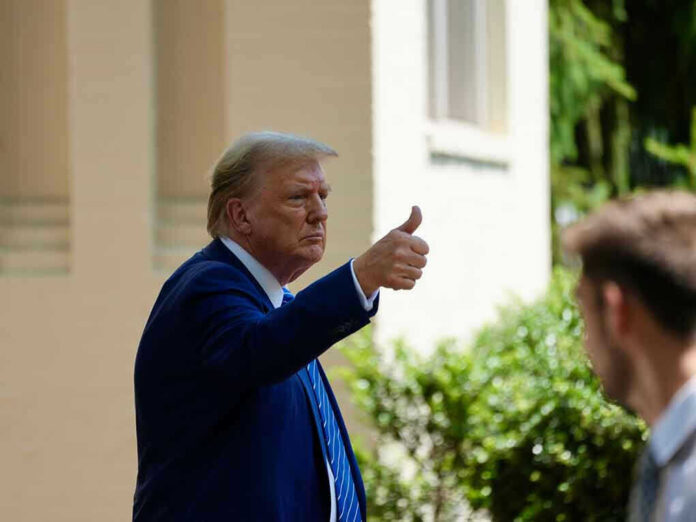
President Donald Trump signed a groundbreaking executive order designating the Antifa movement as a “domestic terrorist organization.” This unprecedented move came in the wake of the tragic assassination of conservative activist Charlie Kirk at a Utah college campus, an event that catalyzed the order. Federal agencies have been tasked with investigating and prosecuting activities linked to Antifa, focusing on its alleged role in orchestrating violence and terrorism aimed at suppressing free speech.
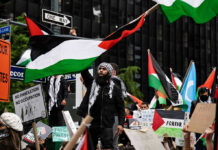
The designation of Antifa as a terrorist group represents a significant shift in policy. Antifa, short for “anti-fascist,” has historically been a loosely organized movement with roots in 1930s Germany. In recent years, it has re-emerged in the U.S., often clashing with far-right groups. This order marks the first time such an ideologically driven, decentralized movement has been labeled as a terrorist organization, intensifying political and social ramifications.
Legal and Political Ramifications
The executive order has sparked considerable debate regarding its implications for civil liberties. Critics, including civil liberties organizations, argue that the order risks criminalizing dissent and could set a dangerous precedent by using terrorism designations against domestic movements. Legal scholars have questioned the constitutionality of this move, citing First Amendment concerns, as Antifa is not a centralized organization but a network of activists.
Supporters of the order argue it is necessary to address escalating political violence and maintain national security. They contend that Antifa’s tactics, often involving direct action, pose a threat to public order. This perspective aligns with broader conservative values, emphasizing law and order and the protection of individual liberties from radical movements.
Impact on Activism and Society
In the short term, the order is likely to result in increased law enforcement scrutiny of left-wing protest groups. This could lead to potential arrests and prosecutions, which may have a chilling effect on political activism across the country. In the long term, the designation could reshape the landscape of political protest and highlight ongoing debates over the definition of domestic terrorism and executive power limits.
As the order takes effect, legal challenges and public debate are expected to continue. The implications for free speech and assembly rights remain a central concern for broader civil society. Meanwhile, conservative groups and Trump supporters view the order as a decisive victory in the fight against political extremism and a necessary step to uphold traditional American values.
Sources:
Official White House executive order text
ACLED (expert analysis on Antifa’s structure and implications)
Official White House executive orders